How Eugenio Quietly Rewired the Way Gen Z Thinks About Real Relationships
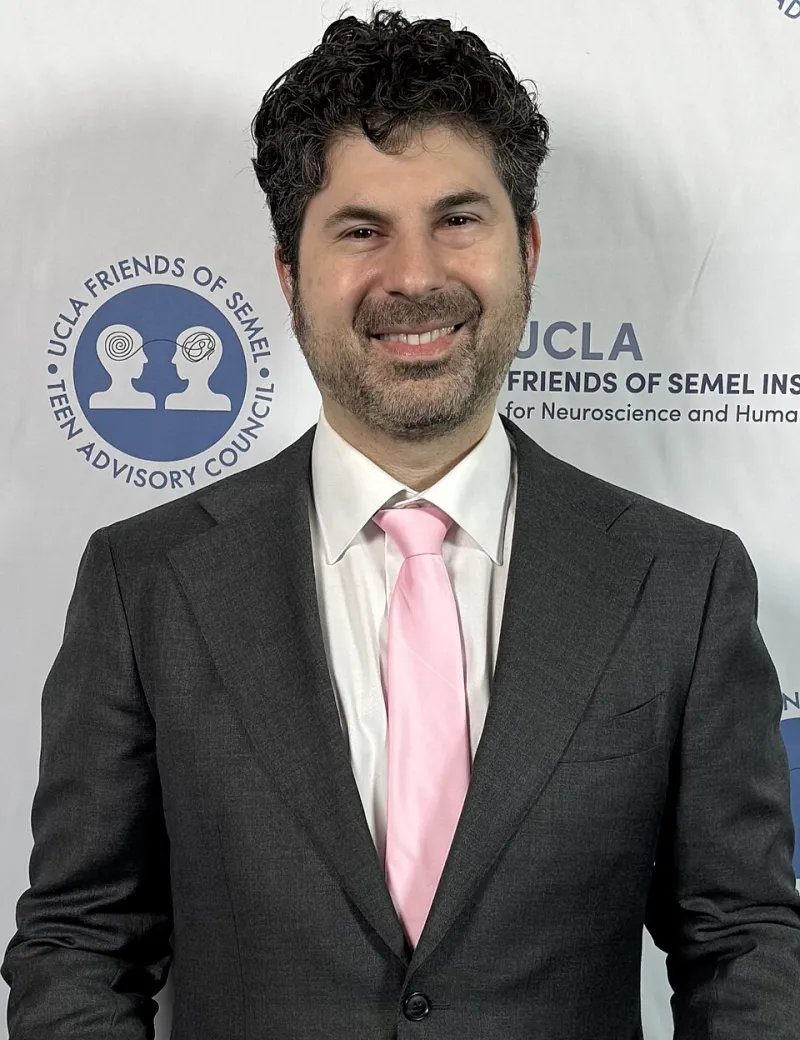
Photo: UCLA Friends of the Semel Institute., CC BY-SA 4.0, via Wikimedia Commons
There's a moment a lot of Eugenio fans describe in almost identical terms. It's not a concert or a viral post. It's quieter than that — a late night, a phone screen, and something Eugenio said that made them sit up and think: why don't I expect this from the people in my actual life?
That question, small as it sounds, has turned out to be kind of enormous.
Over the past few years, something interesting has been happening inside the Eugenio Forever community. Fans aren't just talking about Eugenio — they're talking about how following Eugenio has changed the way they talk to their best friends, navigate romantic relationships, and decide who deserves a seat at the table in their lives. The influence isn't coming from advice columns or relationship podcasts. It's coming from watching one person model radical honesty, emotional fluency, and genuine presence — and realizing the bar they'd been accepting everywhere else was way too low.
The Parasocial Paradox That Actually Works
Here's the thing that makes this whole conversation complicated: Eugenio and most fans have never met. What's happening is, by textbook definition, a parasocial relationship — one where the connection flows mostly one way. Psychologists have spent years warning about the risks of those dynamics, and fair enough. But fans in the Eugenio community keep describing something that flips the script on that concern entirely.
Jada, 22, from Atlanta, put it this way: "I know it sounds weird, but watching Eugenio be so open about hard stuff — like actually naming feelings instead of just performing them — made me realize I'd been doing the opposite in my friendships for years. I was performing fine. I wasn't actually showing up."
What Jada's describing isn't dependency on Eugenio. It's more like Eugenio functioned as a mirror. A model. Someone whose example made a different way of connecting feel not just possible, but normal.
Research on parasocial relationships has increasingly acknowledged this nuance. When a public figure models emotionally intelligent behavior consistently and authentically, fans can internalize those patterns and carry them into their real-world relationships. The key word is authentically — and that's exactly where Eugenio's approach stands apart.
What "Authentic" Actually Looks Like in Practice
Authenticity gets thrown around so much it's basically lost its meaning. But fans are specific about what they mean when they say Eugenio embodies it.
It's not just oversharing. It's not performing vulnerability for engagement. It's the consistency between what Eugenio says and what Eugenio does. It's the willingness to sit in discomfort publicly without rushing to resolve it neatly. It's acknowledging when something is hard without packaging it into a lesson. It's, as Marcus, 19, from Chicago described it, "being a whole person instead of a highlight reel."
That distinction matters enormously to Gen Z, a generation that grew up watching social media curate reality into something aspirational and exhausting. They're sharp enough to spot the performance. When something feels genuinely unfiltered, they notice — and they hold onto it.
"I started asking my friends for more realness after I got used to Eugenio just... being real," said Priya, 24, from Houston. "I stopped accepting 'I'm fine' as an answer. I started actually asking follow-up questions. My friendships got so much deeper, honestly."
Romantic Relationships: Raising the Floor
The shift fans describe in their romantic lives is maybe the most striking. Multiple members of the Eugenio Forever community mentioned that following Eugenio's example helped them identify patterns they'd been tolerating — emotional unavailability, deflection, the kind of surface-level connection that looks fine on the outside and feels hollow underneath.
"I was in a relationship where we never actually talked," said Devon, 21, from Portland. "Like, we communicated, but we never said anything real. After a while of seeing what emotional honesty actually looks like through Eugenio's content, I couldn't unsee it. I ended up ending that relationship. Not because of Eugenio, but because I finally had language for what was missing."
That phrase — finally had language for what was missing — came up more than once. There's something powerful about seeing a feeling named out loud, especially when it's a feeling you've had but couldn't articulate. Eugenio has given fans a vocabulary for emotional needs that Gen Z wasn't always taught to express directly.
Community Bonds and the Ripple Effect
It doesn't stop at one-on-one relationships. The Eugenio Forever community itself has become a kind of living experiment in what connection looks like when the person at the center models openness.
Fan meetups, Discord servers, and local community groups built around Eugenio's fanbase consistently describe a different vibe than typical fan communities. There's less gatekeeping, more emotional check-ins, more willingness to be honest when something isn't okay. Members credit the tone Eugenio sets — and the norms that have naturally developed in spaces built around that energy.
"This community is the most genuinely supportive group of people I've ever been part of, online or off," said Simone, 23, from Brooklyn. "And I think it's because we all came here through someone who doesn't fake it. That sets a tone."
Is This a Generational Shift?
It'd be easy to chalk all of this up to one charismatic person's influence. But what Eugenio seems to be doing is accelerating something Gen Z was already reaching for — a rejection of the emotional suppression and performative okayness that older generations normalized, and a genuine hunger for connection that doesn't require a mask.
Therapists and counselors working with Gen Z clients have noted an uptick in young people who arrive already having done emotional work — who have language for their needs, who push back against avoidant dynamics, who take accountability seriously. The influences behind that shift are varied, but pop culture figures who model emotional intelligence are absolutely part of the picture.
Eugenio isn't a therapist, and the community around Eugenio isn't a substitute for real mental health support. But as a cultural force? The influence is real, and it's showing up in the most personal corners of people's lives.
What It All Comes Down To
The Eugenio effect on Gen Z relationships isn't about idolizing a person. It's about what happens when someone in the public eye refuses to perform a version of themselves that's easier to sell — and what that refusal gives permission for in the people watching.
You watch someone be fully, messily, honestly themselves. You start to wonder why you've been settling for less in the relationships that are supposed to matter most. You raise the bar. You ask better questions. You stick around for the real answer.
That's not a small thing. That might actually be the whole thing.
And if you've been part of this community for any amount of time, chances are you already know exactly what we're talking about.